Skip to content
For brandsNew

Gift cards that can’t be drained.

Digital gift cards issued to one customer’s app and unlocked only by their signed claim, so stolen codes and drained cards stop working.

Gift cardVerified
$50.00

The problem

Gift card fraud is a mature business.

Scammers have turned gift cards into the payment method of choice, and thieves drain cards before anyone gets to spend them.

lost to gift card scams in 2023 (FTC data via NCSL)
$217M
A billion-dollar card-draining problem (DHS via NCSL)
$1B
payment method scammers ask for (FTC Data Spotlight)
#1

Sources: NCSL: Gift card fraud surges as scammers get more sophisticated · Federal Trade Commission

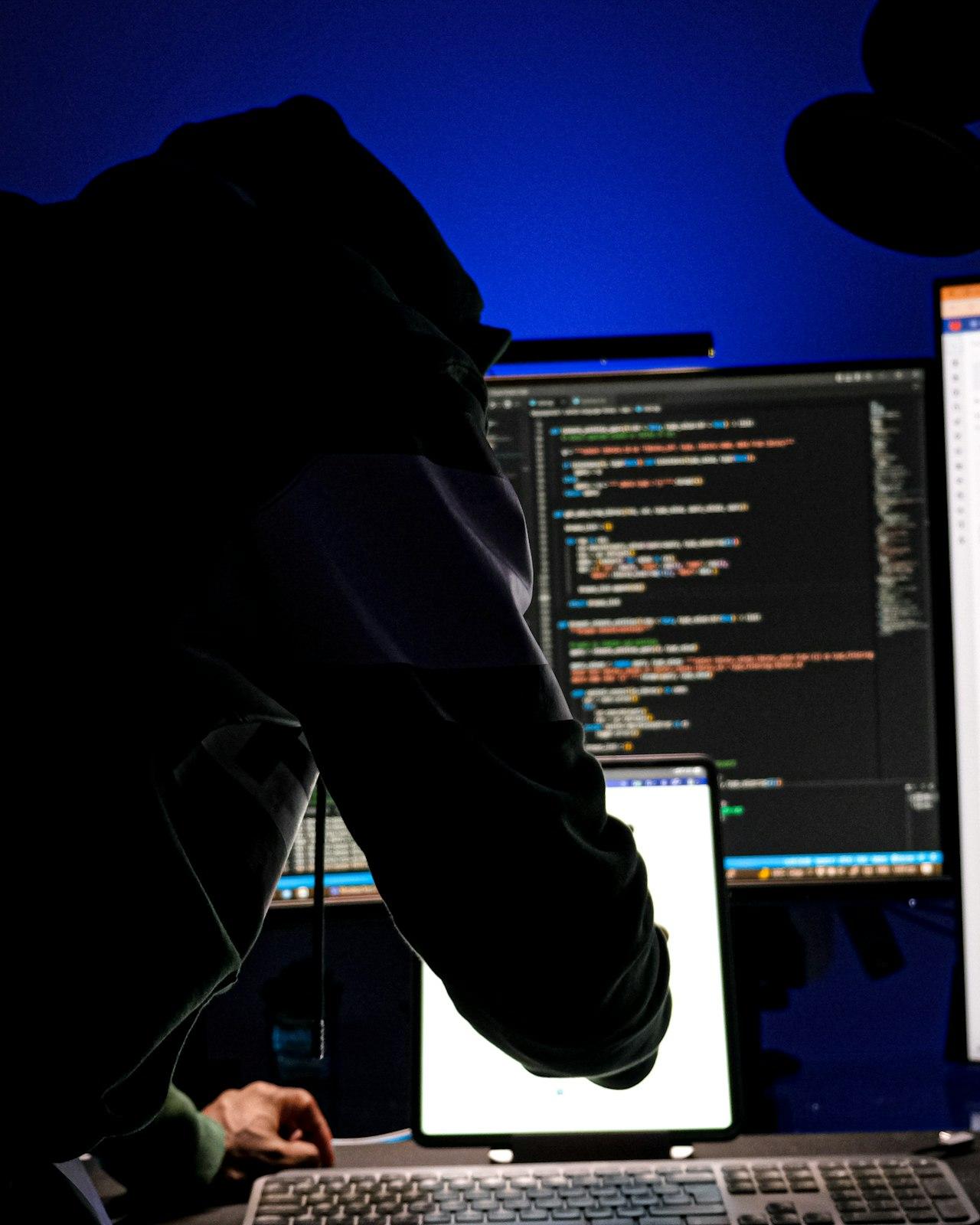
A hooded figure hunched over a keyboard in front of monitors full of code, lit in blue.

Where a gift card program leaks

Every gift card is a number and a PIN. Wherever that pair is stored, copied or guessed, value leaks. Five problems follow from that.

Stolen and drained cards

Hacks, database breaches, employee theft, leaked sheets of codes and brute-force bots all end the same way: a card drained before the customer loads it.

Guessable PINs

PINs are short and predictable. Bots try combinations until one works.

Codes travel in the clear

A digital card is emailed, screenshotted, pasted into a spreadsheet and forwarded. Every copy is as good as the original.

Liability limbo

When a card is drained, the brand, the retailer and the customer each point at someone else.

No visibility after issue

With today’s technology, once a card is issued you can’t see where it goes, how many times it changes hands or when it is used.

The digital shift

Your next customers already pay by phone.

Wallets are moving onto phones, fastest with Millennials, Gen Z and the Gen Alpha kids growing up behind them, and for hundreds of millions of people a phone is the only account they have. Plastic gift cards on a rack are next.

of last-minute gift card purchases are digital1
80%
of Gen Z adults in Canada use a mobile wallet, compared with 44% of Gen X2
69%
of Gen Alpha parents in Asia Pacific expect their kids may never carry a physical wallet or cash3
72%
adults worldwide have a mobile phone but no financial account, out of 1.3 billion without one4
900M

How it works

Only the right person can claim it.

Most programs provision a code, send it to the buyer and hope it arrives intact. Bidali makes the claim cryptographically verified, so a card only opens for the person it was issued to.

Today

  1. Provision

    Codes are generated in bulk and stored in the clear.

  2. Send to the buyer

    Copied in transit

    Emailed or printed. Anyone in the path can copy the code.

  3. Claim

    Usually skipped

    Nothing proves who the card belongs to.

  4. Redeem

    Anyone with the code

    Whoever holds the code spends it, sometimes before the buyer does.

With Bidali

  1. 1. Issued to your Bidali app

    The card arrives in a sealed digital envelope, issued to one customer’s wallet and no one else’s.

  2. 2. Tap to claim

    A signed claim unlocks the envelope. It is cryptographically verified, so a forwarded or copied card is useless.

  3. 3. Add it to your wallet

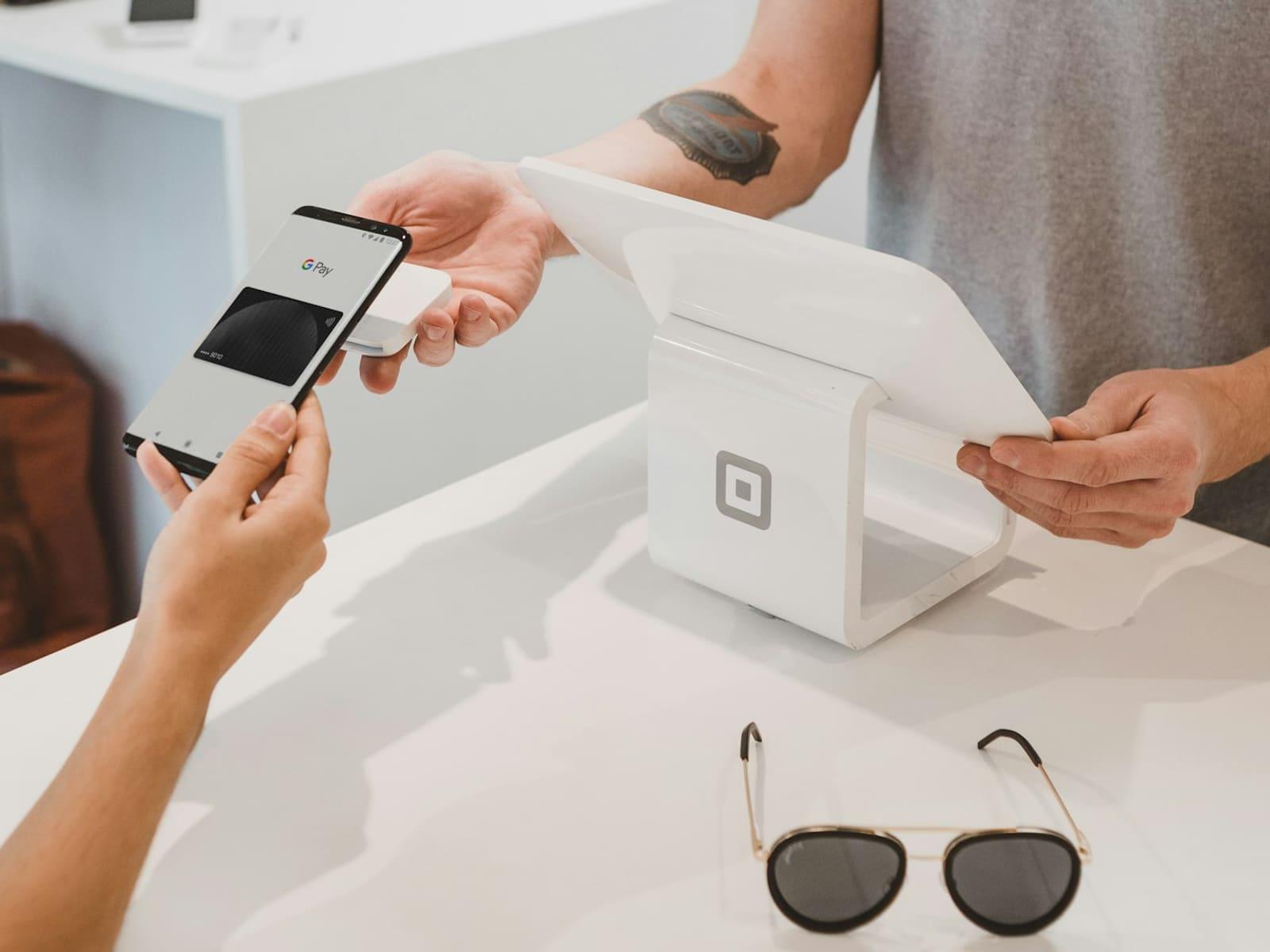
    Keep the card in the Bidali app, or add it to Apple Wallet or Google Wallet.

  4. 4. Redeem

    Redeem opens the brand’s app with the code already filled in, or the right page on its website.

Launch plan

Starting with gift cards you already sell.

We launch with wrapped cards from select digital brands, then open the Bidali network so brands and platforms can issue natively.

Phase 1 · launching with select brands

Wrapped gift cards

Digital brands that deliver codes by API keep their existing cards. We wrap each one before it reaches the customer.

  1. Codes arrive by API

    We start with select digital brands whose codes and PINs are delivered by API.

  2. Sealed and issued

    Each code is sealed in a digital envelope and issued to the customer’s Bidali app.

  3. Unlocked on claim

    The code is only revealed when the right customer signs the claim.

Phase 2 · the Bidali network

Native issuance

Brands and platforms issue cards directly on our network and see every card from issue to redemption.

  1. Run your own nodes

    Brands and platforms run issuing and redemption nodes with Bidali SDKs.

  2. Signed, not logged in

    Customers redeem with a signature from their own key. No password to steal.

  3. Balance goes to the brand account

    Redeeming credits the customer’s balance with the brand, ready to spend.

Phase 2 · the Bidali network

Reconnecting the brand with their customer.

A gift card passes from the issuer to resellers and affiliates, then gets regifted, resold or used in place of cash. Somewhere along the way the brand loses sight of the card, and of the customer holding it.

Where brands lose sight of a card today

  1. Issuer
  2. Resellers
  3. Affiliates
  4. Regifted and resold
  5. Used in place of cash
  1. Issuing node

    Brand + platform

    Acme Coffee on your Shopify store

  2. Bidali network

    Every card is unique and every hop is cryptographically verified

  3. Platforms and resellers

    Apps, marketplaces and partners that sell the card

  4. Customer wallet

    Claimed with a signature, not a login

  5. Redemption node

    Redemption

    Credited to the customer’s balance with the brand

The brand sees every card, from issue to redemption

Brands and platforms run the nodes

Issuing and redemption nodes run where you already sell. Bidali provides the SDKs.

Issuance is free

There is no charge to issue a gift card on the network.

A small fee on redemption

Nodes take a small fee when a card is redeemed, so the platforms doing the work share in it.

New economics

Built for loyalty, not breakage.

The old gift card model counted on cards that were never spent. A digital card that is claimed, tracked and redeemed earns its keep in other ways.

The old model

Breakage

Profit from cards that are lost, forgotten or drained before anyone spends them.

$73

average spend beyond a gift card’s value; nearly 60% of US shoppers go over

Blackhawk Network research, June 2026

~75%

of Gen Z and Millennial shoppers used AI tools for holiday shopping in 2025

Giftcards.com (Blackhawk Network)

The digital model

New customers

Every card sent is an introduction to someone who has not bought from you yet.

Retention through experience

Rewards and top-ups land in an app your customer already opens.

Higher spend

Most shoppers spend past a card’s value, and you can see it happen.

Return visits

A leftover balance is a reason to come back, and you know it is waiting.

Agents that find the deal

Shopping agents compare, time and bundle purchases for people. Cards on our network are something they can use safely.

The agentic era

Give an agent a key, not your password.

An agent can hold a key to a customer’s gift cards instead of their email and password. It claims and redeems within the limits set for it, and nothing else.

Explore agentic commerce

What brands get

Control over cards after they leave the shelf.

Every card is a unique, traceable record you can see, limit and report on.

Breakage and redemption visibility

See what is redeemed, what sits unused and when, card by card.

Outstanding liability in real time

Know what you owe today, not after month-end close.

FX and usage control

Choose where and in which currencies a card can be used, and how value converts.

Transfer-count limits

Cap how many times a card can change hands. It blocks laundering and keeps cards from circulating as currency.

Geo redemption dashboard

Quick-service and retail chains with locations in many countries see redemptions by location and region.

Day-one distribution

Sell through Bidali’s partner network from launch instead of building distribution alone.

One view of every card you have issued.

Redemptions, liability and transfers in a single dashboard.

Acme Coffee · Issuing

Live

Outstanding balance

$1,284,300

+4.2% this month

Predicted breakage

6.2%

Next 12 months

Redemptions (30d)

48,120

+12.4% vs prior 30d

Transfer limit

3 / card

Avg. 2.1 used

Redemptions worldwide

6 markets

Redemptions by day

Last 30 days · +12.4%

30 days agoToday

Built to fit where you already sell.

Planned integrations
  • Shopify
  • Stripe
  • Square
  • WooCommerce

We did this in 2018

The first blockchain gift cards were ours.

In December 2018, Bidali and Enjin created the first blockchain gift cards and gave them away to celebrate the launch. Issuing is what that pilot grew into.

Why blockchain

Plumbing, not a product you have to learn.

Your customers still buy and spend gift cards the usual way. Our blockchain based gift card network makes each card verifiable, auditable and extremely secure behind the scenes. Leave the old technology where it belongs, in the past. We have run our own Bidali One balance on this infrastructure for three years; Issuing opens it to brands and platforms.

A ledger you can audit

Every issue, transfer and redemption is recorded and can’t be quietly edited.

Unique by design

No shared number and PIN to copy from a shelf, so there is nothing to guess.

Compliance built in

We run a full compliance program: KYC/AML, sanctions screening and fraud monitoring.

Built for brands that sell gift cards at scale.

See how teams in these industries put Bidali to work.

Get in early

Issuing is opening to a first group of brands and platforms.

Join the brand waitlist

For brands that issue or want to issue gift cards.

Tell us about your business

Share a few details and our team will get back to you.

Contact sales

Partner as a platform

For commerce and payments platforms that want to offer Issuing to their brands.

Tell us about your use case

Share a few details and our team will get back to you.

Email partnerships

Prefer email? sales@bidali.com

Frequently asked questions

No. Issuing is digital only. There is nothing to print, ship or hang on a rack, so there is nothing to tamper with on the way.

Yes, to claim. Cards are issued to the customer’s Bidali app, which is what makes the claim cryptographically verified. After claiming, they can keep the card there or add it to Apple Wallet or Google Wallet.

Claiming signs a request from the customer’s wallet. Only the wallet the card was issued to can sign it, and only then does the sealed digital envelope open to show the code.

Redeem opens the brand’s app with the code already filled in, or the right page on the brand’s website. If the card is in Apple Wallet or Google Wallet, you can also show it at the till.

We are launching with select digital brands that deliver codes by API. Join the waitlist to hear when new brands arrive, or to add yours.

Yes, if you sell digital cards whose codes can be delivered by API. We wrap each card and issue it through Bidali, so your current system keeps working.

We are building integrations for Shopify, Stripe, Square and WooCommerce. Tell us what you run and we will confirm what is supported at launch.

Issuing a card on the network is free. Redemption nodes take a small fee when a card is redeemed. Brands on the waitlist see full terms before launch.

We agree this with each brand during onboarding. Either way, the dashboard shows your outstanding liability in real time.

Issue gift cards that can’t be drained.

Join the waitlist and see terms before launch.