Aid that arrives as groceries, not cash
Send families gift cards for groceries, pharmacies and shelter supplies in minutes, with limits on how they can be spent and a record you can show donors.
Why now
Cash goes astray
Transfers can be claimed more than once or redirected, and reconciling them takes weeks.
Speed decides outcomes
After a disaster the first days matter most, and physical distribution takes time your recipients do not have.
Donors want proof
Funders increasingly expect line-by-line evidence of where each dollar was spent.
Use cases
Humanitarian aid
Support families with weekly grocery cards tied to a verified recipient, so support cannot be claimed twice.
Disaster relief
Reach affected households in minutes with cards for food, pharmacy and shelter supplies.
Food security programs
Replace paper vouchers with digital cards that recipients redeem at the shops they already use.
Volunteer and staff thanks
Recognize volunteers with a card they can spend where they live, without a payment run.
Fundraising
Sell gift cards for groceries, fuel and coffee to supporters at face value and keep a share of the discount. Registered charities keep up to 75%.
Aid organizations are asked to do two things that pull in opposite directions. They need to move quickly, because delay compounds suffering. They also need to prove, to donors, boards and auditors, that every dollar went where it was meant to. Cash and traditional transfers force a trade-off between the two. Gift cards for essentials soften it.
Why cash is a difficult fit
Sending money straight to a household is a respected form of support, but it comes with practical friction. Transfers can be claimed more than once, redirected to the wrong person or held up by banking limits. Recipients in communities without card access may have no way to receive them at all. Reconciliation takes staff time that a small team would prefer to spend on the people they serve.
Physical distribution has its own limits. Vouchers on paper can be lost, copied or sold, and getting them to the people who need them takes trucks, staff and time.
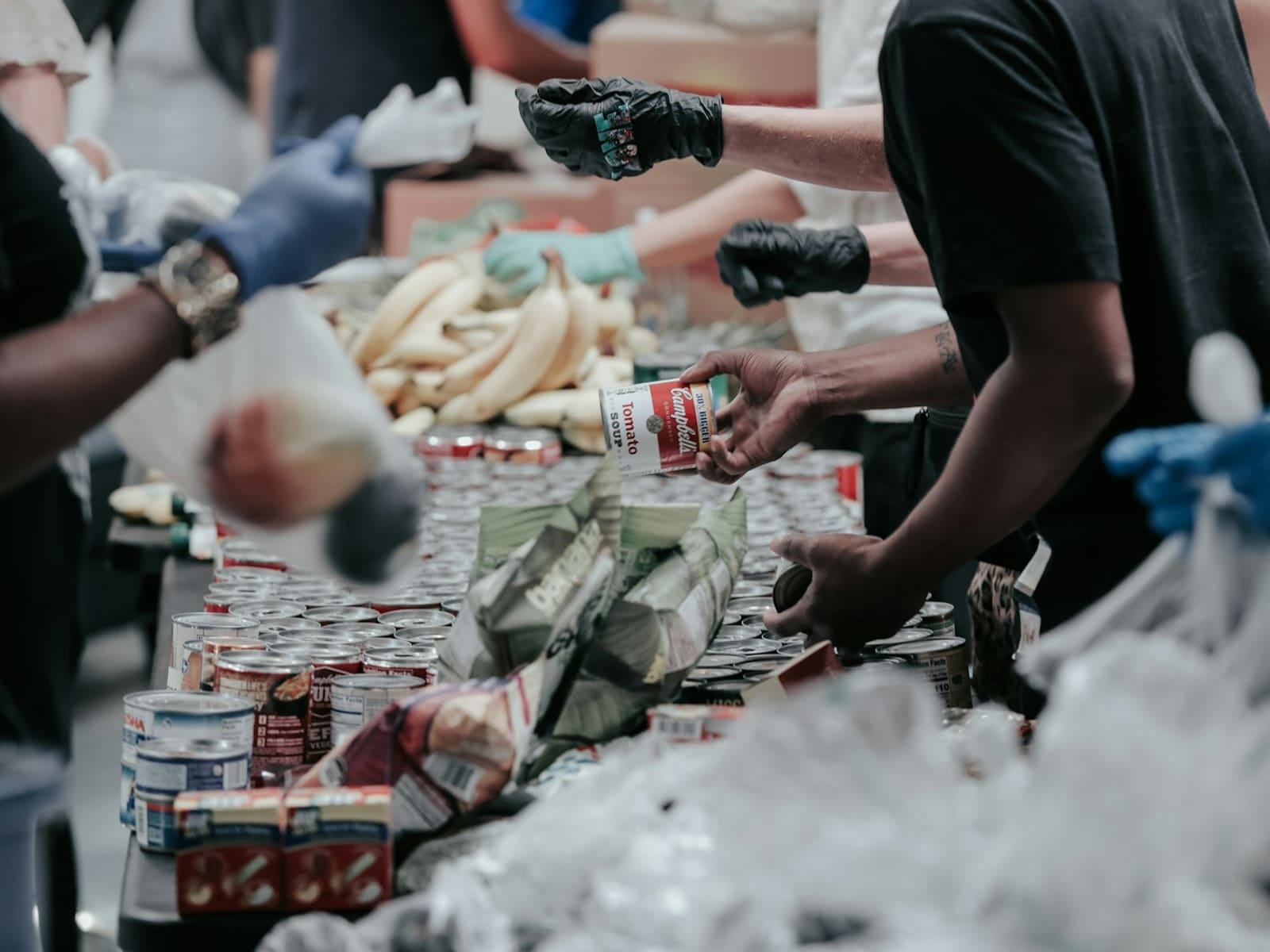
Groceries as the unit of aid
A grocery gift card does one job well. It gets someone food, from a shop in their own neighbourhood, chosen by them. Bidali offers 4,700+ brands across 150+ countries, including supermarkets, pharmacies and other everyday retailers, so a program can match the cards to what local families can actually use.
Because the card is tied to a brand, spending is limited to that brand's shelves. Funders can direct support toward food, medicine or shelter supplies, with the assurance that a card meant for groceries cannot be spent on anything else.
Reaching people in minutes
Cards are delivered digitally, which means a household can receive support within minutes of an order. For disaster response, that speed matters more than anything else. Instead of waiting for a shipment to clear, a coordinator can send a card to a phone the same afternoon the need is identified.
Where recipients are known and verified, cards can be tied to that person, so support cannot be claimed twice. See how this works in humanitarian aid and disaster relief programs.
A record you can hand to auditors
Every card sent is recorded with an amount, a recipient and a time, and every redemption adds to that history. When a donor asks how a grant was used, your team can answer from a report instead of reconstructing it from spreadsheets. When an auditor asks for evidence, the trail is already there.
Bidali runs a full compliance program and screens orders for fraud, which reduces the risk that support is misused.
Designing a program that works
Good aid programs start with the recipient. Choose brands that are close to where families already shop, and set amounts that reflect the size of the household and the local cost of a basket of essentials. Decide in advance how often cards are sent, who approves them and what evidence your donors expect. A pilot with a small group, run for a few weeks, is usually enough to find friction in the process before scaling. Keep a short list of contacts at local shops so recipients know where to go if a card does not scan. Ask for feedback after each round, and adjust the brands and amounts as you learn what local families actually need.
Working with existing programs
Most non-profits will start small. A pilot with a few hundred households can be run using bulk orders delivered by email or text. Teams with technical capacity can use the Gift Card API to send cards from their case management system. Recipients can also hold a balance in the Bidali app, where they choose the shop that suits them.
Funding is simple: your organization loads a balance by bank transfer, Interac or card, and cards are drawn from it as you send them. There are no platform fees, and the money you raise goes to the people it was meant for.
Products used
Gift Card API
Order gift cards from 4,700+ brands with one API.
Bidali One
One balance, every gift card, every country.
Commerce SDK
A gift card storefront inside your app or site.
At a glance
- Brands
- 4,700+
- Countries
- 150+
- Founded
- 2018
Related solutions
Fundraising
Schools, churches and teams keep a share of the gift card discount.
Humanitarian aid
Deliver aid as gift cards people choose.
Disaster relief
Get essentials to people within hours.